How I Actually Plan a Trip to London
Published on September 18, 2026 • 22 min read
How I plan a trip to London around theatre, flights, hotels and transport — without treating the plan as sacred.
Last time, Ncuti Gatwa and Edward Bluemel were to blame. I knew Gatwa as Eric from Sex Education and the Doctor from Doctor Who, and Bluemel from Killing Eve and My Lady Jane. In Born With Teeth, they were going to play Christopher Marlowe and William Shakespeare on the West End. There was already plenty of talk about the production, and it took me very little time to decide that I wanted to see it.
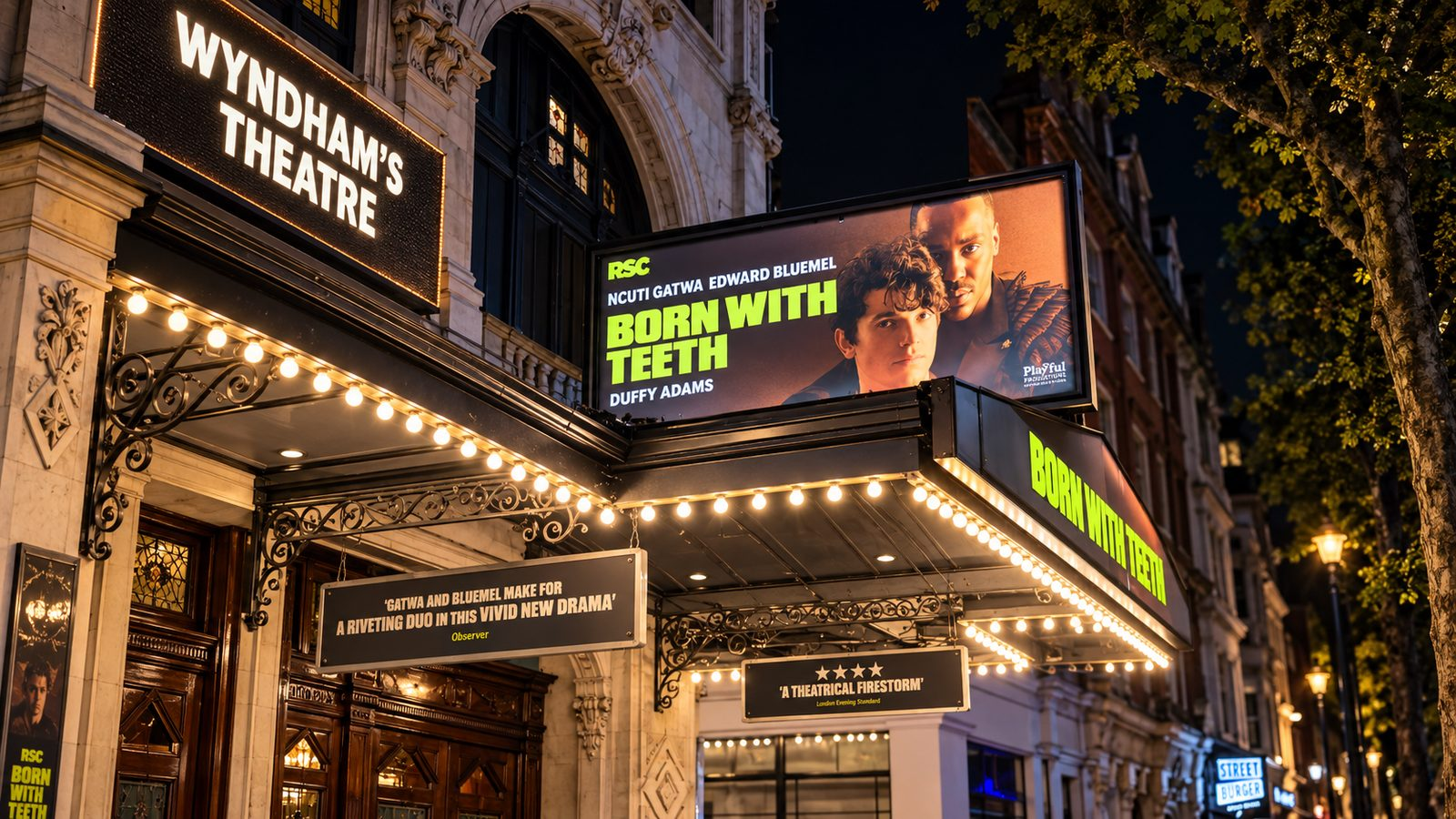
But I did not buy the theatre ticket straight away. I opened Skyscanner.
That is probably the best summary of how I plan my London trips these days. There is almost always a specific reason that gives me a rough date, but before I book anything definite I need to know whether the trip makes financial sense. Flights to London can occasionally become absurdly expensive.
There is another pattern with theatre. I am often drawn by the chance to see on stage an actor I previously knew only from film or television. That is how I ended up watching Daniel Radcliffe — until then, in my mind, primarily Harry Potter — as Billy in The Cripple of Inishmaan.
With Zrinka Cvitešić, the attraction was completely different. I had watched her for years in Croatian films and at the Croatian National Theatre in Zagreb, so there was something particularly satisfying about sitting in a London theatre a few years later and watching the same Croatian actress in the leading role of Once on the West End. It was precisely that transition — from a completely familiar Croatian context to a major London stage — that drew me in.
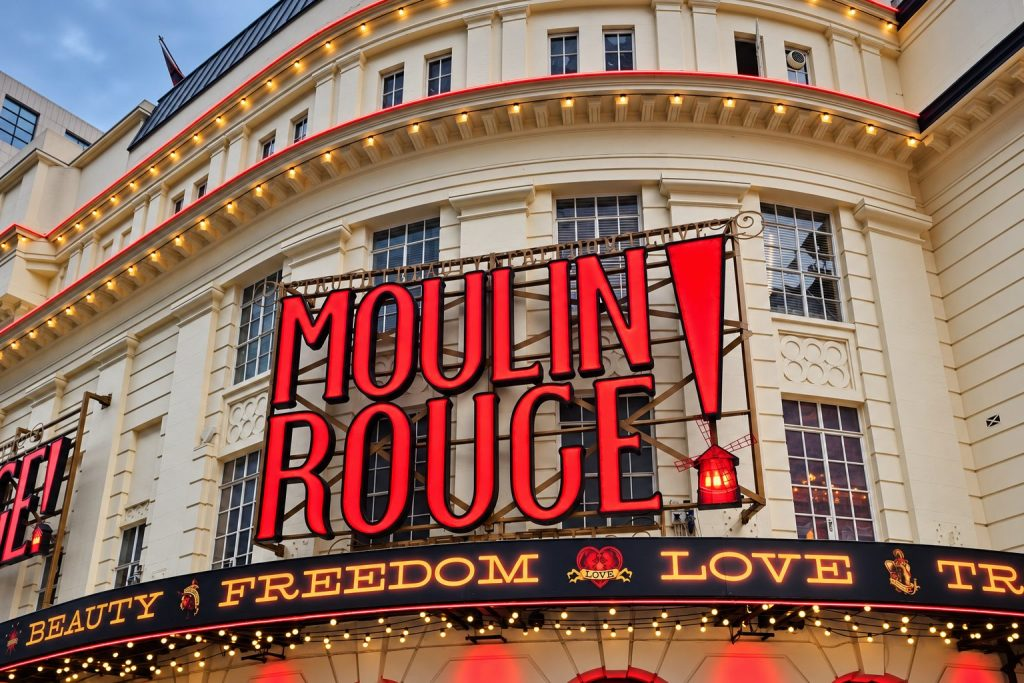
On the most recent trip, for example, I added Wicked to Born With Teeth. That is fairly typical: one production starts the trip, and I almost always add another, often one of the long-running musicals such as Wicked, Moulin Rouge!, The Book of Mormon, The Phantom of the Opera or Les Misérables. Only once I know that getting to London will not cost a ridiculous amount do I buy the ticket for the main production. The flights come immediately afterwards.
How I plan a trip to London without starting with one airport
I live in a place where restricting myself to a single departure airport would make very little sense. I first check Krk — Rijeka Airport — Pula, Trieste, Zagreb and Ljubljana. If none of them gives me a good enough option, I widen the circle to Zadar and Venice.
If I am still not satisfied, I widen the search to other airports in Italy and, occasionally, in England, because a journey towards London does not necessarily have to end with a landing in London. I have flown from Venice to Bristol and continued by train, done the same via Manchester, and on one trip travelled out through Bologna and returned from London via Rome.
That logic has occasionally taken me considerably farther than London. One trip to Finland, for example, ended up running through London and Bristol before I finally entered the country through Rovaniemi — the detour I wrote about in A Detour North: The Lapland I Had Imagined.

I mostly buy one-way tickets. I see no reason why the outward and return journeys should be mirror images of each other, particularly when combining two airlines or two airports is significantly cheaper.
Driving a few hours to an airport does not bother me particularly. The problem begins when the timetable says I need to leave home at one in the morning. At that point I very quickly start looking differently at the twenty euros I supposedly saved.
On the other hand, when the fare really is good, I am prepared to adapt. I once flew from Venice to London for €19, including cabin baggage. I do not expect that to be a normal fare today, but in recent years I have quite often found something around €50 with cabin baggage, which I consider a very decent deal.
I am not the kind of traveller who can live out of a tiny backpack for several days. I normally take cabin luggage, so I include it in the Skyscanner search from the start and compare prices only then. Ryanair still wins surprisingly often, but British Airways, ITA Airways and easyJet have all been the better option on particular trips. The cheapest airfare and the cheapest sensible way of actually reaching London are not necessarily the same thing.
I usually start looking about a month before travelling, although I have no rigid rule. Booking earlier gives me a wider choice of cheap flights, but in my case the production usually determines the date, not the other way around.
Trieste and Venice have their own tricks
I most often fly to London from Trieste, followed by Krk, with Venice — primarily Marco Polo — in third place. I almost always drive to the Croatian airports and Trieste, while Venice can involve either the car or a train.
Trieste is especially useful because the airport has its own railway station. I can leave the car there, fly out, return to a completely different airport and eventually take a train back to Trieste to collect the car. I have saved a very real amount of money that way several times.
When I drive, I use the official airport parking. There is almost certainly something cheaper a few kilometres away, but I have no desire to introduce another transfer just to save a little more. Both Trieste and Marco Polo have covered parking very conveniently connected to the terminal, and that simplicity is worth a few extra euros to me.
Marco Polo has another feature I like: the airport is connected to Venice by boat. If I have enough time, the transfer itself can become a small excursion. If I do not, there is no need to romanticise it — the bus to Mestre is simple and functional. I use Treviso less often, but I keep it in the search.


The London airport still matters
If I could choose a London airport independently of schedules and fares, I would not necessarily choose the one I currently use most often. London City is a genuine hidden gem for me. I have used it only once because suitable routes rarely appear from the airports I normally use, but it is difficult to beat the feeling of landing practically in the city itself. The DLR — Docklands Light Railway — stops at the terminal and combines easily with the Elizabeth line. With more useful routes, I would use City far more often.
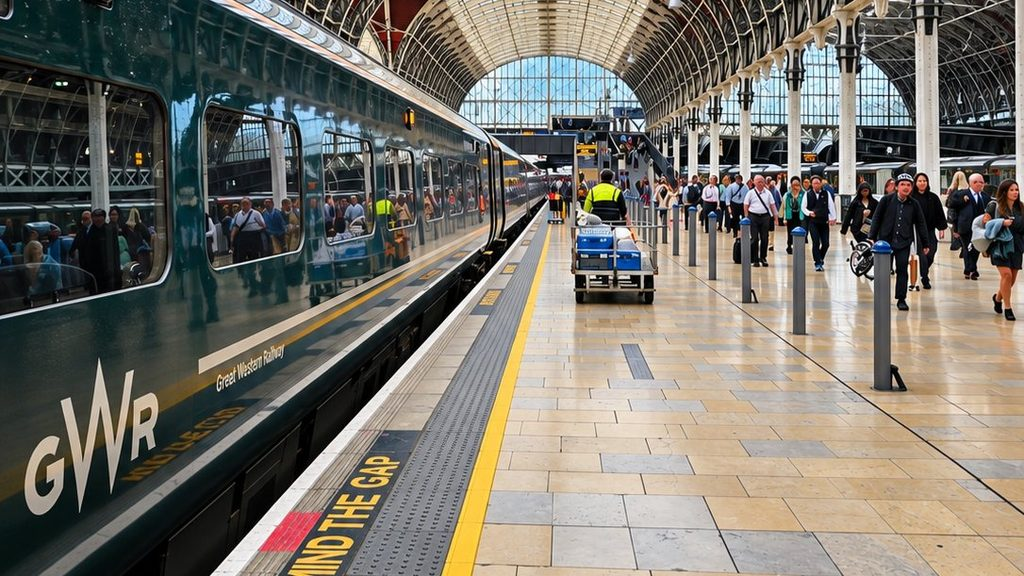
I have used Heathrow several times. I have travelled into London on both the Piccadilly line and Heathrow Express, and when I have a choice I take Heathrow Express. The convenience is almost indecent: the direct journey to Paddington takes about fifteen minutes. Bought sufficiently early, the fare can be very good. I still have not used the Elizabeth line from Heathrow, so I cannot honestly compare that option from personal experience.
I discovered Gatwick when I combined one trip with Brighton. That made its great advantage obvious: trains run to different parts of London, so I can choose the service that best suits the location of my hotel. For some trips, that makes it more practical for me than Stansted.
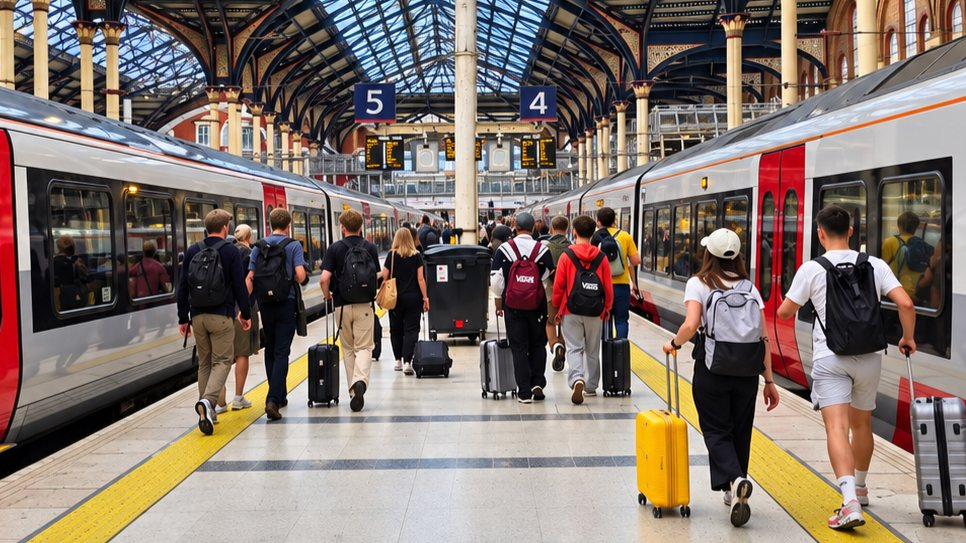
Stansted is the airport I use most often, mainly because it is frequently where the flight and price that suit me happen to coincide. Its main compromise for me is not Liverpool Street but distance: Stansted Express takes about 48 minutes to Liverpool Street.
I nearly always take Stansted Express. The coach may be a little cheaper, but the train is simple enough that I see no reason to complicate matters. Liverpool Street sometimes suits me perfectly; at other times I continue from there with another journey to the hotel — much as I would from most other London airports.
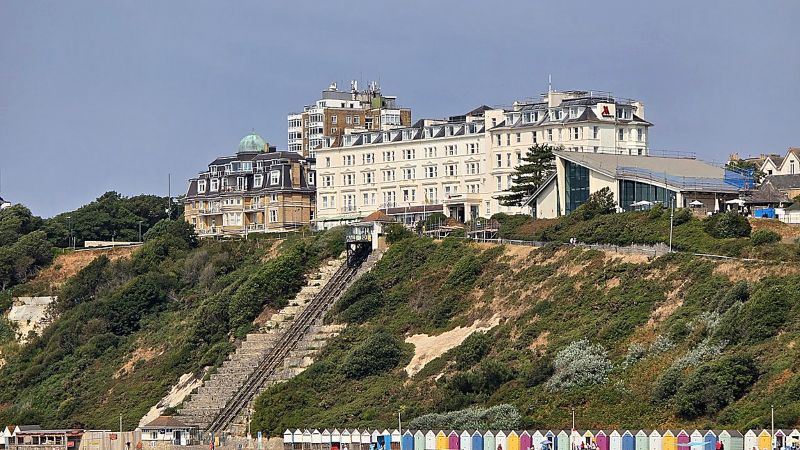
That particular routine also appears at the beginning of another trip: Bournemouth and the Hotel That Understood Everything started with Stansted Express to Liverpool Street before I crossed London for Waterloo and continued to the coast.
Stansted does have one major advantage I have used several times: direct trains to Cambridge. Cambridge can therefore become the first or last part of a trip without the absurdity of travelling into London only to come straight back out again.
The problem is very early morning flights. Stansted Express does not run all night, and the first departures from Liverpool Street vary by day, so for some early flights the train simply does not get me there soon enough. I do not play the hero with night buses and three changes: I book an airport hotel and sleep there.
I have no experience of Luton and have no intention of pretending otherwise. I used Southend once because the airfare was exceptionally cheap. The rail connection is perfectly functional; Southend simply appears too rarely in my searches for me to seek it out unless the fare is very attractive.
I choose hotels with a spreadsheet
There is no romance whatsoever in the first stage of choosing a hotel. I make a spreadsheet: dates in columns, Marriott hotels in rows, and a nightly price in every relevant cell.
If several hotels are within £20 or £30 of each other, I treat them as essentially the same price band. I do not automatically choose the cheapest; I choose the one that gives me the better location or level of service for the difference.
The reason I look at Marriott first is entirely pragmatic. I have high status in the loyalty programme, so the room rate is not the whole equation. I earn points, have late checkout, can often get into the room early, and particularly at the more expensive hotels I quite often receive a better room category. Neither early check-in nor an upgrade is guaranteed, but they happen often enough that I cannot reduce a hotel’s real value to the price alone.
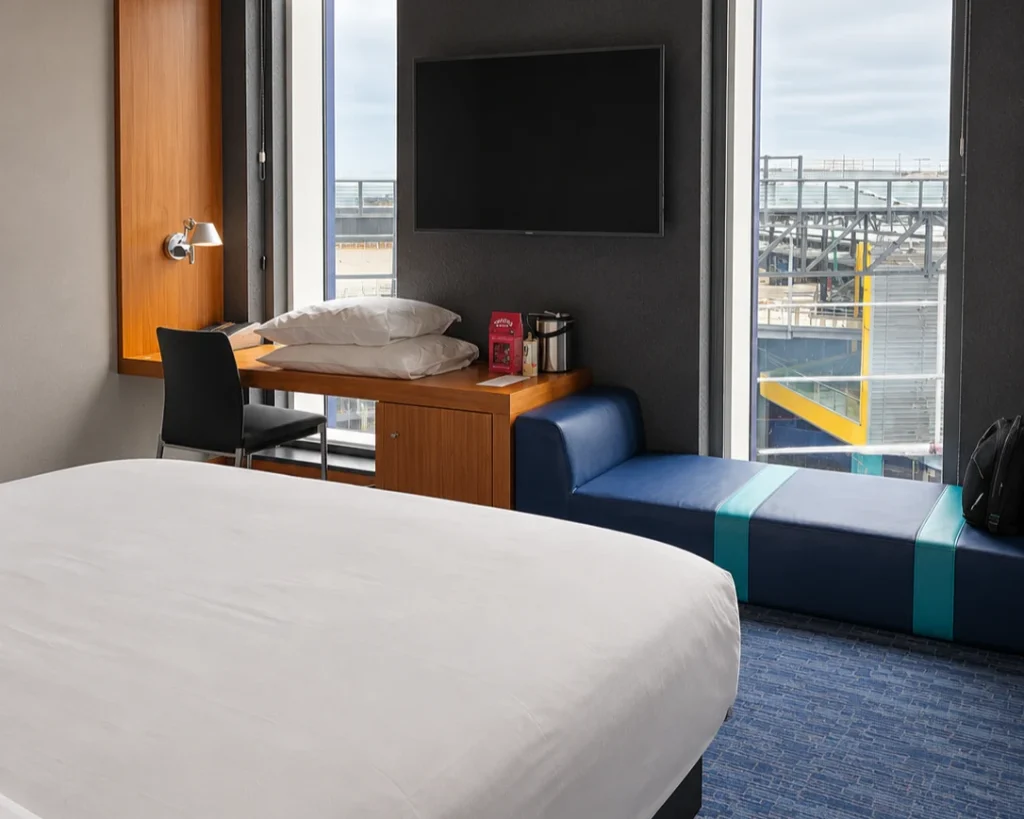
Changing hotels every night does not bother me at all. On the most recent trip — the one built around Born With Teeth and Wicked — I spent the first night at The Dixon, the second at Aloft London Excel and the third at Moxy Stratford. I do not see that as an inconvenience. I see it as the spreadsheet working.
An even better example was a trip when I came to London via Manchester: Moxy Milton Keynes, then Threadneedles, then Hanbury Manor, and finally Moxy Stratford. If a hotel fits a particular day, I do not care that I have not spent four nights in the same room.
For one night, I want something better
If the trip lasts more than two or three nights, I have another rule: I want at least one night in a better hotel. Sometimes that means a more expensive London property; sometimes the hotel itself pulls me out of London.
That is how I discovered University Arms in Cambridge. It is one of the few hotels I genuinely do not want to leave. Suites are named after authors, alumni and other figures associated with Cambridge — Virginia Woolf, Charles Darwin, Isaac Newton and Stephen Hawking among them — and the entire hotel builds a convincing literary and academic atmosphere.
I do not, of course, believe that Virginia Woolf actually slept in my bed. But they leave enough sherry and brandy in the suite that, after a while, Virginia materialising in it no longer seems entirely implausible.
I also like Parker’s Tavern, precisely because it is so thoroughly English that it almost becomes a caricature, and I am particularly fond of tea in the hotel library. The library is not some gloomy Victorian hole but an elegant, very comfortable room where it is remarkably easy to decide that Cambridge can wait another half-hour. That is one of my real tests of a good hotel: an entire city is outside, and I still do not particularly want to leave.


Hanbury Manor is a completely different version of the same feeling. It is my idea of an English country-house escape: traditional interiors, a library, a classic restaurant, a pool, a view from the room and a large estate to walk around. It was one of those rare stays when the hotel was not a base for something else. The hotel was the event.
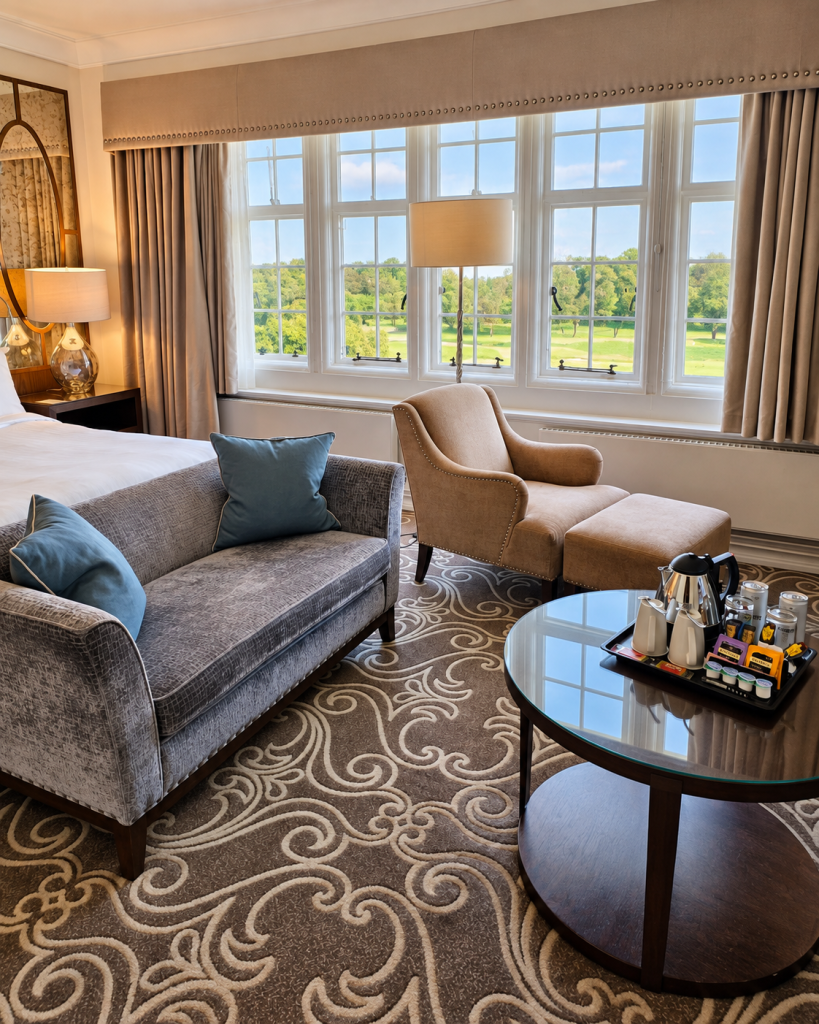
That kind of night, however, comes with a cost that has nothing to do with the room rate. If I am sleeping outside London, I set myself a limit of heading for the train at around 11 or 11:30 p.m. I do not want to spend the evening watching the clock and calculating the last connection. That is why staying outside the city is not a good idea on a night when I want a more serious dose of London nightlife.
Sometimes I choose a hotel for the experience, sometimes for practicality
When I decide to spend more on one night, I do not have a fixed list of hotels I always choose, nor a single criterion for deciding. It depends entirely on the particular trip: sometimes I am drawn by the character of the building, sometimes by comfort, and sometimes by a location that happens to fit the plan perfectly.
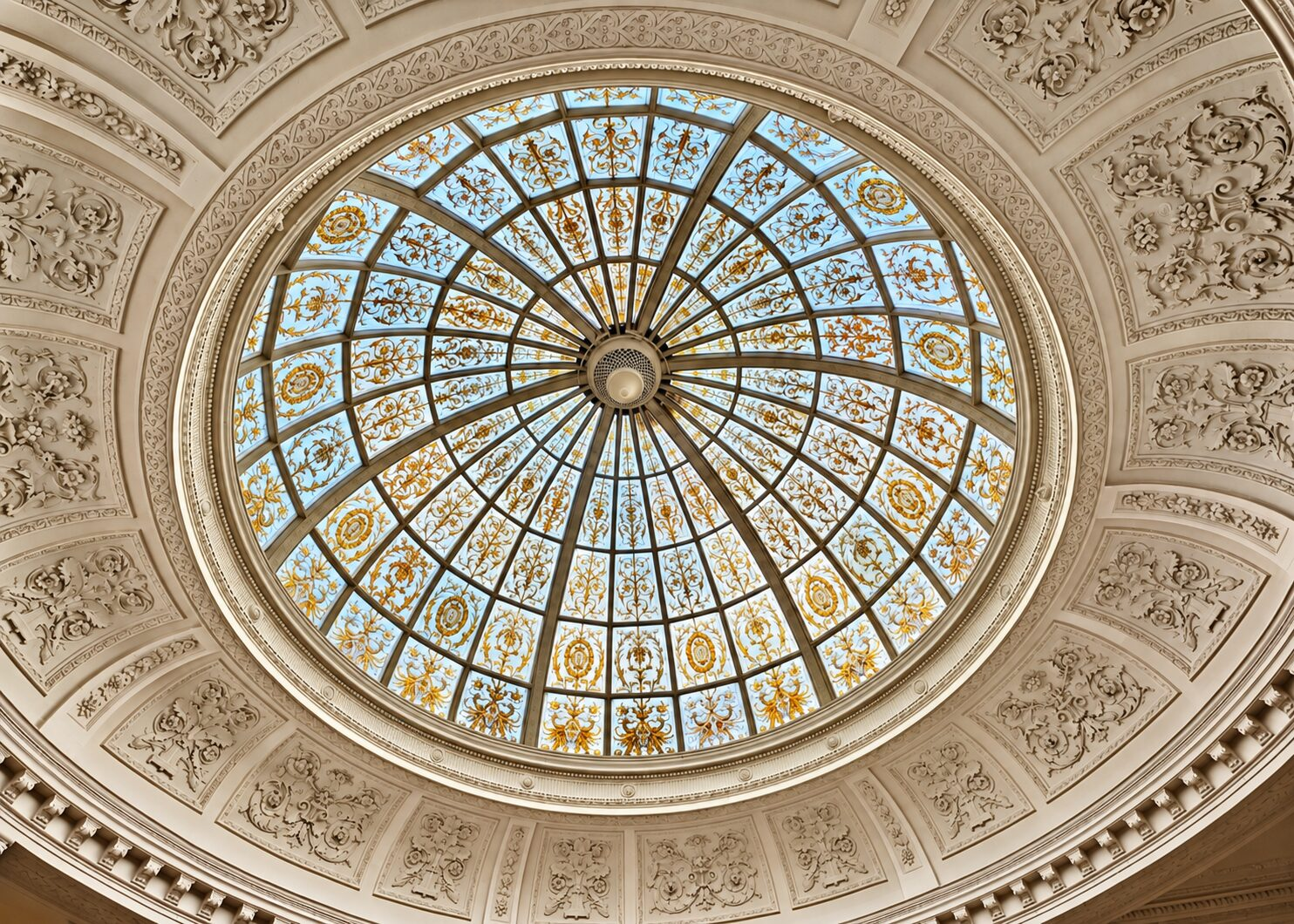
On some trips, for example, character and historic architecture have been what tipped the balance. That is why Threadneedles and The Dixon have stayed with me. Threadneedles occupies a former Victorian bank in the City, and its great 1856 stained-glass dome gives it a personality a generic business hotel simply cannot reproduce. The Dixon, near Tower Bridge, occupies the former Tower Bridge Magistrates’ Court and likewise feels as though it could hardly exist anywhere else.
On other trips, I have wanted something entirely different. The Westin London City and London Marriott Hotel Canary Wharf are good examples of occasions when the comfort of a large hotel mattered more: the Westin for its Thames-side location and contemporary atmosphere, Canary Wharf for its spacious rooms and very good links into central London. Montcalm East was a different choice again, tied to Shoreditch, Old Street and wanting something more design-led. These are examples of what mattered on particular trips, not hotels I automatically choose every time.
Most London nights, however, I do not need a hotel to be an event. I need a hotel that simply does the job.
One of the hotels I therefore check quite often is Moxy Stratford. Its rate is often attractive compared with other Marriott options in London, and it sits beside a huge transport hub with the Tube, DLR, Elizabeth line and trains. Add Westfield across the road and the location is often more useful to me than that of many more expensive hotels nominally closer to the centre.
Aloft London Excel is one of the options I consider when east London suits me and the price is good enough to justify the longer journey into the centre. It is practically beside Prince Regent DLR station, with the Elizabeth line easily reached via Custom House. The trip takes a little longer, but it is simple and predictable, and the hotel has a pool.
Moxy London Excel is less convenient for me transport-wise than Aloft. I can reach both the DLR and the Elizabeth line, but the walking and connections do not fit my trips quite as neatly as they do at Aloft. In my searches, however, it very often appears as the cheapest Marriott in London. If the price difference is large enough, I can forgive a few extra minutes of walking and public transport.
When London becomes absurdly expensive, I have a reserve plan: Moxy Slough, or in the more extreme version, Moxy Milton Keynes. Milton Keynes can be ridiculously cheap, particularly on points, and the train to Euston can be very fast. But once I add the walk to the station, waiting for the train and the onward journey from Euston, it becomes a serious chunk of the day. Cheap, in the end, is only cheap until the hassle eats the saving.
Getting around London without a special travel card
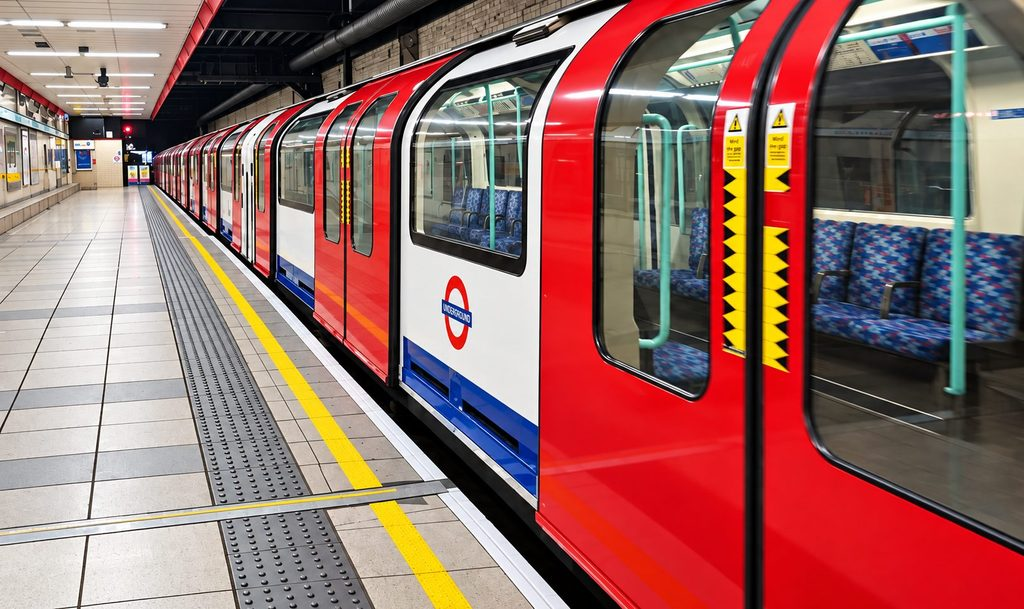
Once I arrive, public transport is actually the simplest part of the whole system. On the eastern side, particularly around Stratford and ExCeL, I often use a combination of the DLR and the Elizabeth line. Elsewhere I mostly end up on the Tube.
I use buses less often, but they have one obvious advantage: you can see the city. I used them quite a lot while staying at The Dixon and on journeys towards Kensington. With time to spare, a bus can be much more interesting than the Underground; without it, London traffic can destroy the entire idea.
I rarely use a taxi and use Uber somewhat more often. Sometimes the fare is perfectly reasonable, but London seems to have a law whereby the moment I genuinely need a car — it is late, I am tired or I need to get somewhere quickly — the app decides the journey is worth a small fortune. Fortunately, public transport is good enough that I rarely need Uber at all.
I do not buy a special transport pass in advance. A contactless bank card or phone is enough for me.
But I see most of London by walking
Despite everything I have written about trains, the DLR and the Tube, I walk a great deal in London. Walking is often not an activity between two sights; it is simply my replacement for public transport.
I once walked from Paddington all the way back to the Westin — depending on the route, roughly six or seven kilometres. From Threadneedles I headed to the Thames and continued along the river to Westminster, about four kilometres or a little more. I have also walked from Kensington towards Piccadilly, again around four or five kilometres.
The destination is entirely ordinary: the hotel, Westminster, Piccadilly. It is not an organised walk and I am not trying to collect ten landmarks on the way. I simply choose the street instead of the Tube. That is how I absorb London best.
Increasingly, these are routes I have walked before. I no longer need to discover a new street on every visit merely so that I can say I have seen something new. I know the sequence of squares, buildings, bridges and streets, and that familiarity is precisely what I enjoy.
That may be the biggest difference between my first visits and London today. I once went to London in order to see London. Now I usually go because a play, an exhibition or another journey has brought me there, and the city fills the space between everything else.
What fits between the shows
Once the evenings are largely spoken for by theatre, I almost always fit in a museum or exhibition during the day, and one of London’s great advantages is that many major permanent collections are free. If a timed reservation is available, I book it.
Occasionally I add something royal. I have visited Buckingham Palace several times, for example. Recently I have also experimented with tours booked through GetYourGuide, but my verdict so far is simple: hit or miss. The guide assigned to me on one London tour did not particularly impress me, so for me a paid tour does not automatically mean a better experience.
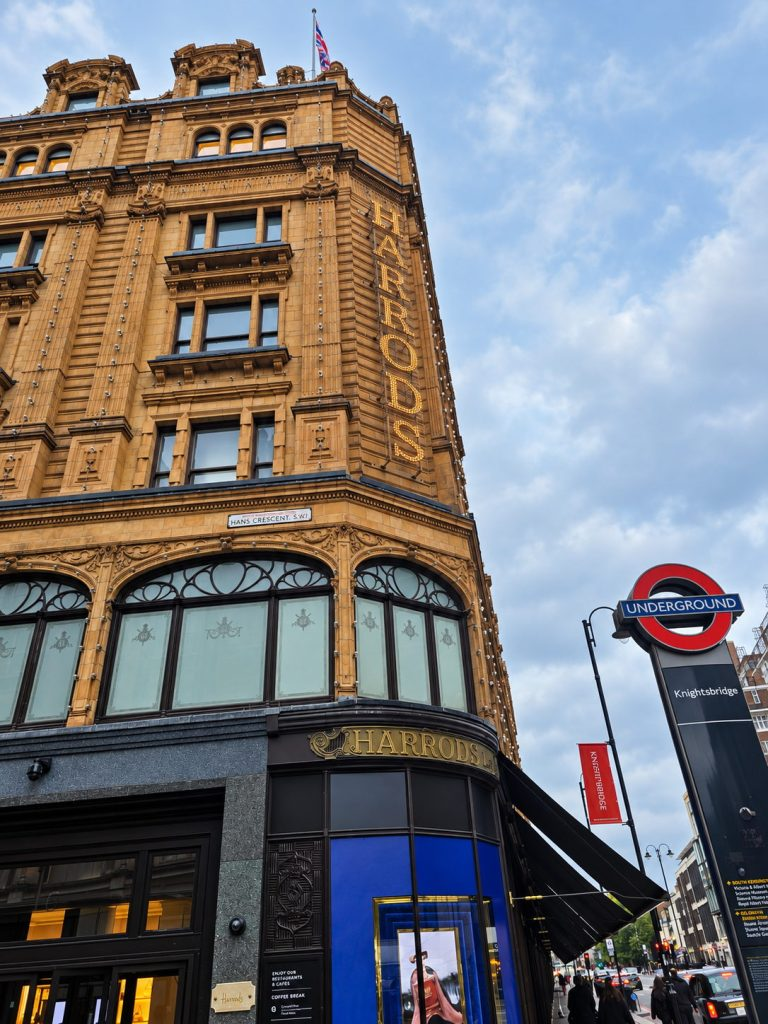
I do not leave shopping entirely to chance, either. I almost always end up in Marks & Spencer, and I almost always buy something. If I am in Stratford, I usually stop at Westfield; if I am central, I most often end up on Oxford Street. M&S works particularly well for me for business clothes, not least because trouser sizing makes it easier to get both waist and leg length right without spending half a day shopping. I also like walking through Harrods, although at that point the safest place for the card is the hotel safe.
If the hotel is good, I often eat there
My rule for food is about as sophisticated as most of the others: if I am staying in a higher-end hotel, I am very happy to eat there. If I am in a Moxy or another more functional hotel, I go out.
I like places that offer something beyond the food and drink: a room, history, a view, or simply the sense that the evening itself is an event. I also do not want them to be places I visit once simply to cross them off a list. If I genuinely like somewhere, I return.
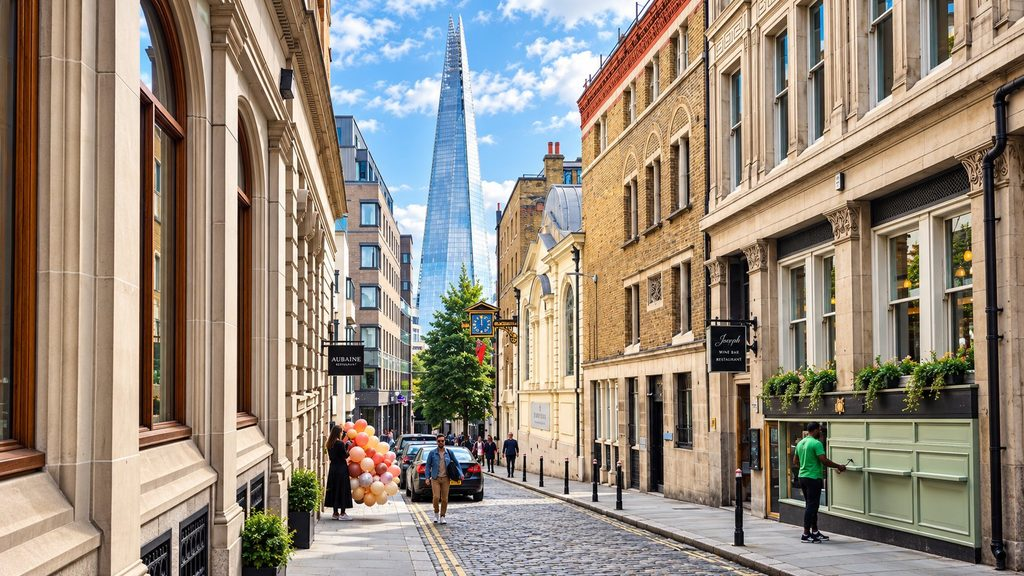
GŎNG, high in The Shard, is one of the best examples. The cocktail is almost an excuse to sit there and look at London below. The night view towards Tower Bridge, the Thames and the lights of the city remains slightly surreal even after several visits. It is not “a bar I have seen”; it is somewhere I want to go back to.

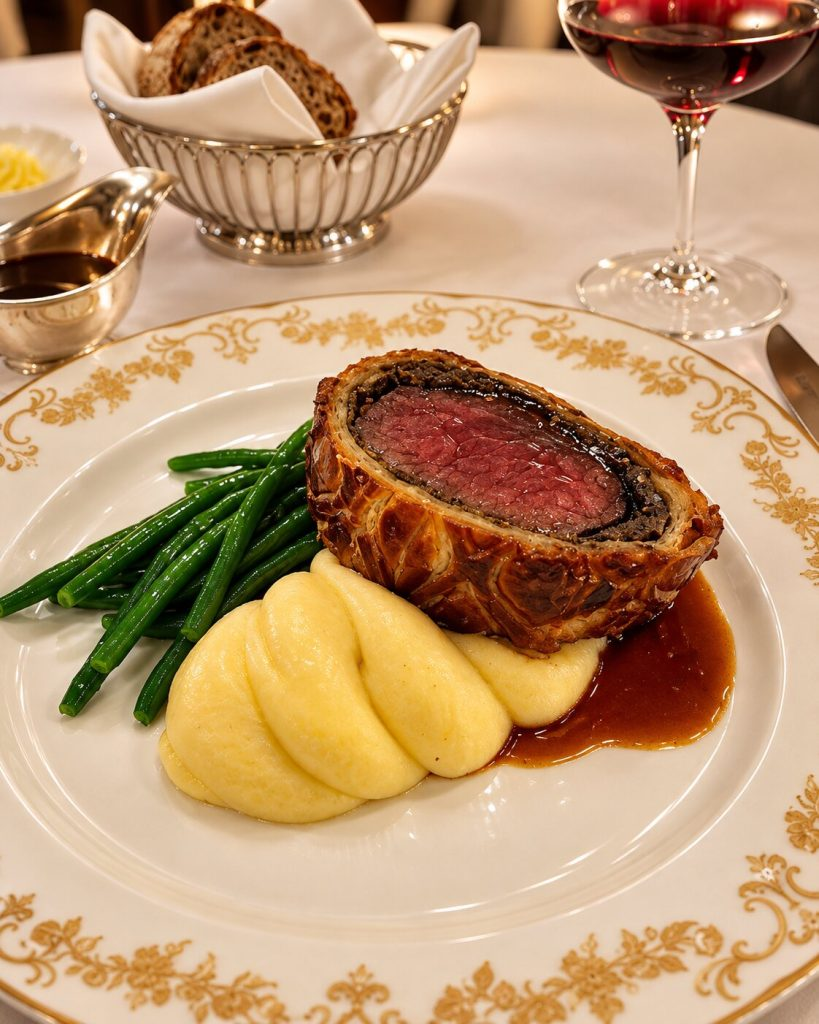
The same is true of the Savoy. I once spent about £140 on dinner at Savoy Grill: tartare, Beef Wellington, dessert and an Australian wine I still remember. It was not cheap even by London standards, but it was worth every pound. That matters to me far more than the bill itself: now that I know what it costs, would I go again? To the Savoy, yes.
I have also eaten at Fenchurch in Sky Garden, where the contemporary menu draws on Caribbean flavours alongside British influences. There, the experience is both the food and the fact that dinner is taking place high above London. Somewhere in the evening I will usually want a cocktail as well; apparently that has its place in the plan too.
Afternoon tea is a ritual, not just food
At least once during a trip, and often twice, I try to fit in afternoon tea. Recently I have more often chosen a smaller cream tea because a full afternoon tea is simply too much food, but I do not want to lose the ritual itself.
The Savoy and St Ermin’s are particularly memorable, and I also remember London Marriott Hotel County Hall very fondly, where much of the experience comes from the view straight across to Big Ben.
Harrods is a different story. I remember it from the period when the large tea room felt like an event in itself. Later, the experience was spread across smaller venues and lost some of that spectacle, although the quality remained. It has changed again since, which is another useful reminder that London is never quite the same city I left on the previous visit.


I leave almost nothing open
Before I leave home, the trip is practically complete. I have a Dropbox folder with tickets, boarding passes and the other documents, and inside it a single Word file containing the entire plan. Hotels, shows, museums, restaurants, afternoon tea, transfers and everything else already have their place.
I am not the kind of traveller who arrives in London and decides over breakfast what to do that day. What relaxes me is knowing that I have already made all the logistical decisions at home and do not have to think about them once the trip begins.
The plan, however, is not sacred. The moment I arrive, optimisation begins. The weather changes; I finish somewhere earlier than expected; I stay somewhere longer; a train is delayed; suddenly I would rather walk than take the Tube; or London simply offers something that did not exist in my plan.
That distinction matters. I do not rely on spontaneity by leaving the trip unplanned. I plan it completely first, and then change it without hesitation whenever I find a better version.
By the time I leave home, London is organised. But London always gets the final edit.